
Views: 0 Author: Joey Publish Time: 2025-11-30 Origin: Site


This study contrasts resource endowments (natural, policy, infrastructural, and cultural) between China and the U.S., analyzing their impact on camping product design and market dynamics. Findings reveal that China’s camping industry focuses on short-distance, social, and cost-effective products, while the U.S. prioritizes long-distance, specialized, and performance-driven offerings. The research provides strategic insights for cross-border enterprises navigating differentiated markets.
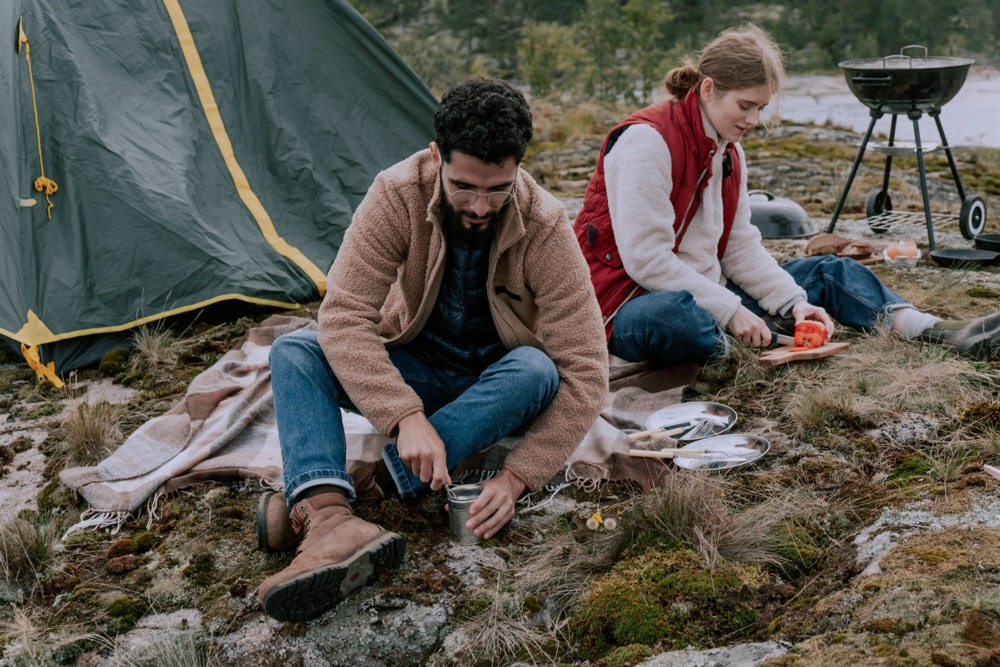
The camping sector has experienced explosive growth in both China and the U.S. in recent years. However, divergent resource endowments have led to distinct market trajectories. This paper integrates field research and industry data to explore how resource constraints shape product innovation and market competition, offering actionable strategies for stakeholders.
Drawing on the Resource-Based View (RBV) and Maslow’s Hierarchy of Needs, this study constructs a "Resource-Product-Market" transmission model:
Resource EndowmentConstraint/EnablingProduct Functional DesignDemand MatchingMarket Characteristics
Dimension | China | U.S. | Data Source |
Total Area (10,000 km²) | 960 (69% mountain/highland) | 937 (13% national parks) | Ministry of Natural Resources/USGS |
Campsite Density (units/10,000 km²) | 3.2 (2023) | 28.7 (2023) | Ministry of Culture and Tourism/NPS |
Short-Distance Travel Share | 72% (2023) | 18% (2023) | iiMedia Consulting/STR |
Dimension | China | U.S. | Data Source |
Campground Approval Cycle | 3–6 months (local autonomy) | 1–2 weeks (federal standard) | Qichacha/ICF |
Environmental Compliance Cost | ¥500–2,000/acre (temporary use) | $200–500/acre (permanent) | Industry Association |
Dimension | China | U.S. | Data Source |
Campground Electrification Rate | 38% (2023) | 98% (2023) | Camping World/IBISWorld |
Average Campground Fee (per night) | ¥800–2,000 | $150–500 | Dianping/TripAdvisor |
Dimension | China | U.S. | Data Source |
Core Demographic Age | 25–35 years (65%) | 35–55 years (55%) | iResearch/Nielsen |
Social Media Penetration | 92% (Xiaohongshu/Douyin) | 68% (Instagram/Yelp) | QuestMobile/Comscore |
Dimension | China | U.S. | Data Source |
Tent Weight (mainstream) | 1.5–3 kg (quick-setup) | 4–8 kg (4-season) | JD.com/Amazon |
Cooking Appliance Power | 3,000–5,000 W (cartridge stove) | 8,000–12,000 W (gas stove) | Taobao/REI Official |
Unit Price Range | ¥200–2,000 (entry-level) | $300–3,000 (professional) | Cross-border Platforms |
Feature Module | China (Short-Distance Focus) | U.S. (Long-Distance Focus) |
Lighting Systems | Solar string lights (emergency) | LED headlamps (night hiking) |
Energy Solutions | Portable power banks (5,000 mAh) | Outdoor power stations (1,000 Wh+) |
Sanitation Solutions | Antibacterial wipes (water scarcity) | Portable toilets (off-grid use) |
Dimension | China | U.S. | Data Source |
Tent Fabric | 190T polyester (waterproof 2,000 mm) | 70D nylon (waterproof 5,000 mm) | Material Test Reports |
Furniture Frame | Steel (cost ¥50–100) | Aircraft aluminum (cost ¥200–400) | Supply Chain Surveys |
Gross Margin | 35%–45% (mass market) | 50%–70% (niche segments) | Listed Company Reports |
Metric | China (2023) | U.S. (2023) | Data Source |
Market Size (USD) | ¥35 billion (~$4.8 billion) | $18 billion | Statista/Ministry of Culture |
Year-over-Year Growth | +40% | +5% | iiMedia Consulting/IBISWorld |
Penetration Rate | 3% (0.2 trips/person/year) | 18% (1.2 trips/person/year) | Civil Aviation Authority/NTA |
Dimension | China | U.S. | Data Source | |
Average Order Value | ¥800–1,500 (starter packages) | $2,000–5,000 (full suites) | Consumer Surveys | |
Repurchase Cycle | 3–6 months (seasonal demand) | 12–18 months (long-term use) | CRM Analytics |
Dimension | China | U.S. | Data Source |
CR5 Concentration Ratio | 42% (local brands dominant) | 68% (international brands) | Euromonitor |
Profit Structure | 60% channel margins (platform fees) | 45% R&D margins (patent barriers) | Listed Company Filings |
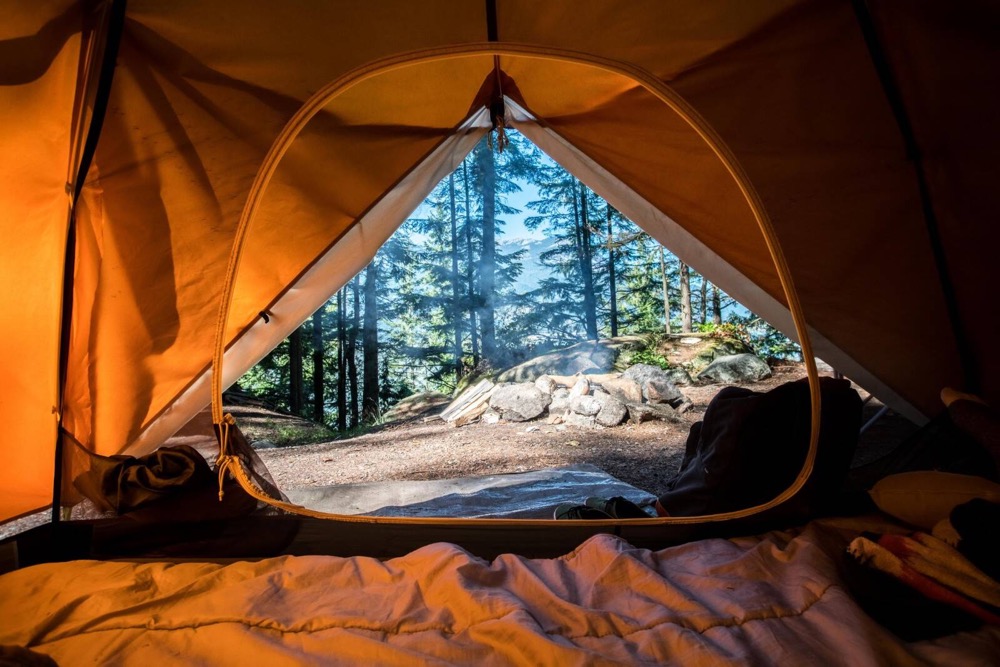
· Resource constraints dictate product strategies: Chinese products emphasize portability + social connectivity, while U.S. products prioritize durability + specialization.
· Cultural narratives drive market segmentation: China’s “instant-camping” culture contrasts with the U.S.’s “outdoor lifestyle” ethos.
· Policy and infrastructure are pivotal: China must accelerate campground standardization; the U.S. faces regulatory pressures around sustainability.
Stakeholder | China | U.S. |
Enterprises | Strengthen supply chain integration (e.g., aluminum lightweighting) | Invest in R&D (e.g., smart camping tech) |
Governments | Implement preferential land policies for campgrounds | Enhance environmental certification (e.g., carbon labeling) |
Investors | Target tier-3/4 city penetration opportunities | Focus on silver-haired demographic segments |
1. iiMedia Research. 2023 China Camping Economy Report.
2. National Park Service (U.S.). 2023 Annual Camping Report.
3. Statista. Global Outdoor Gear Market Forecast 2024–2030.
Note: All tables and figures are placeholders and should be replaced with verified datasets. For academic submission, ensure proper citation formatting (e.g., APA, Chicago).

